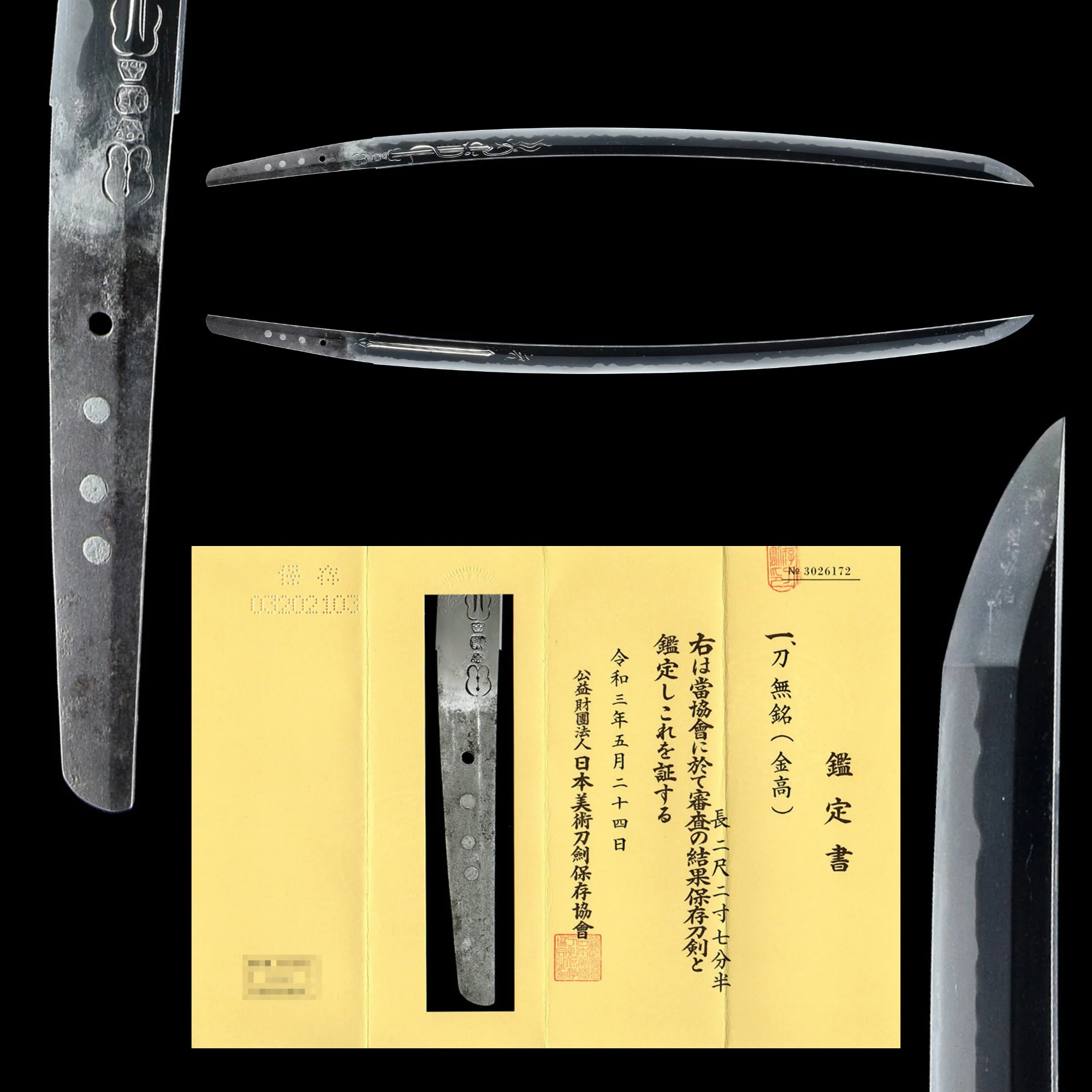
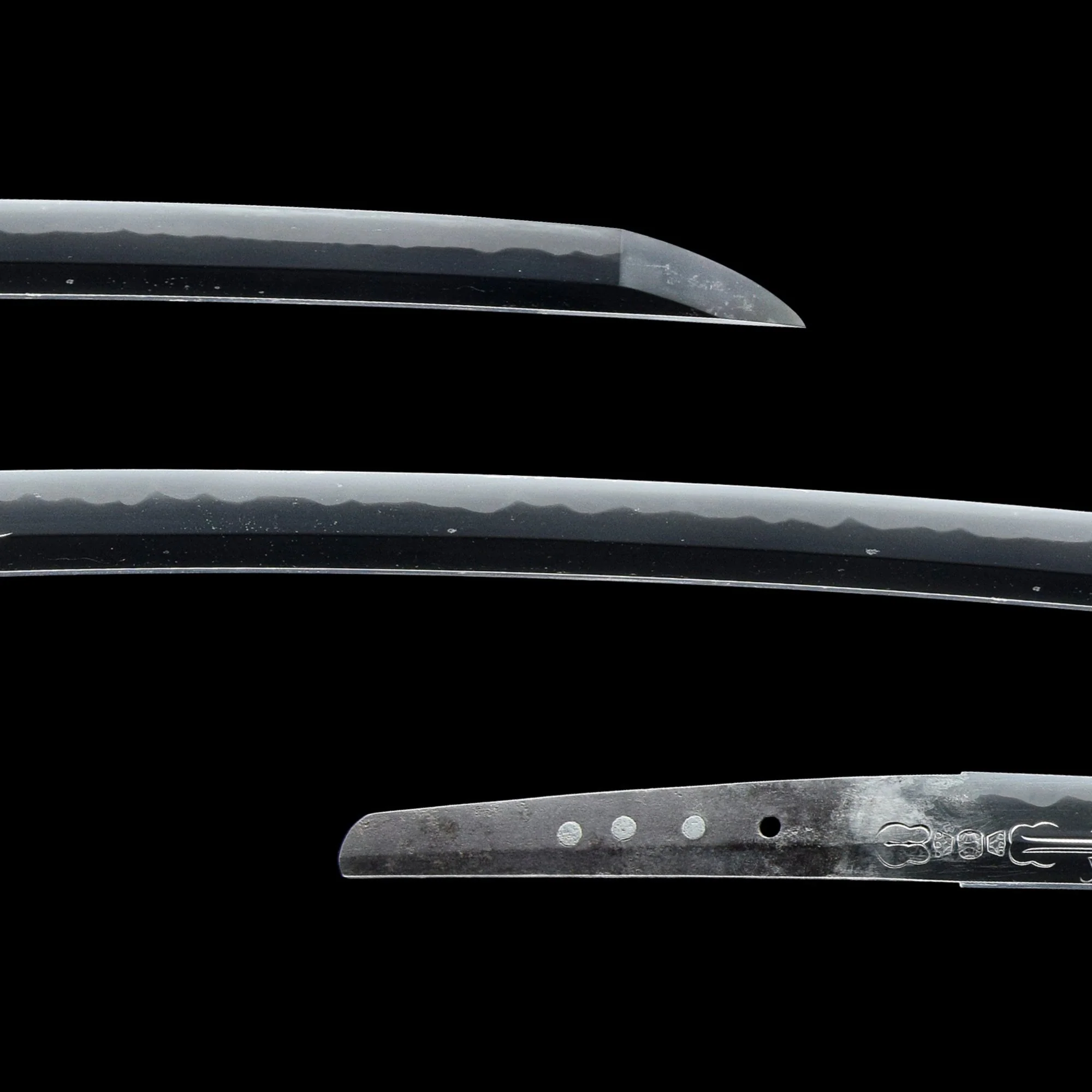
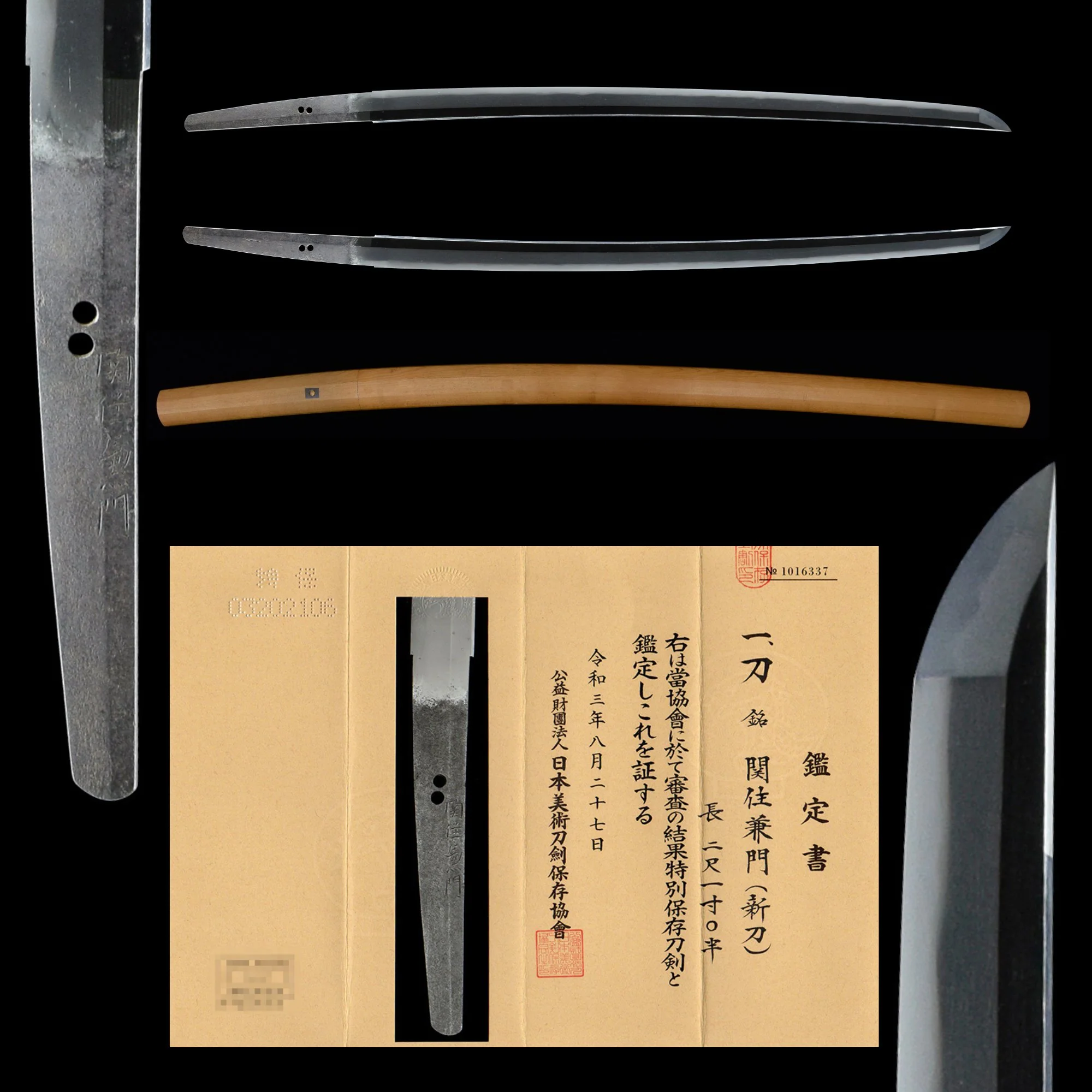
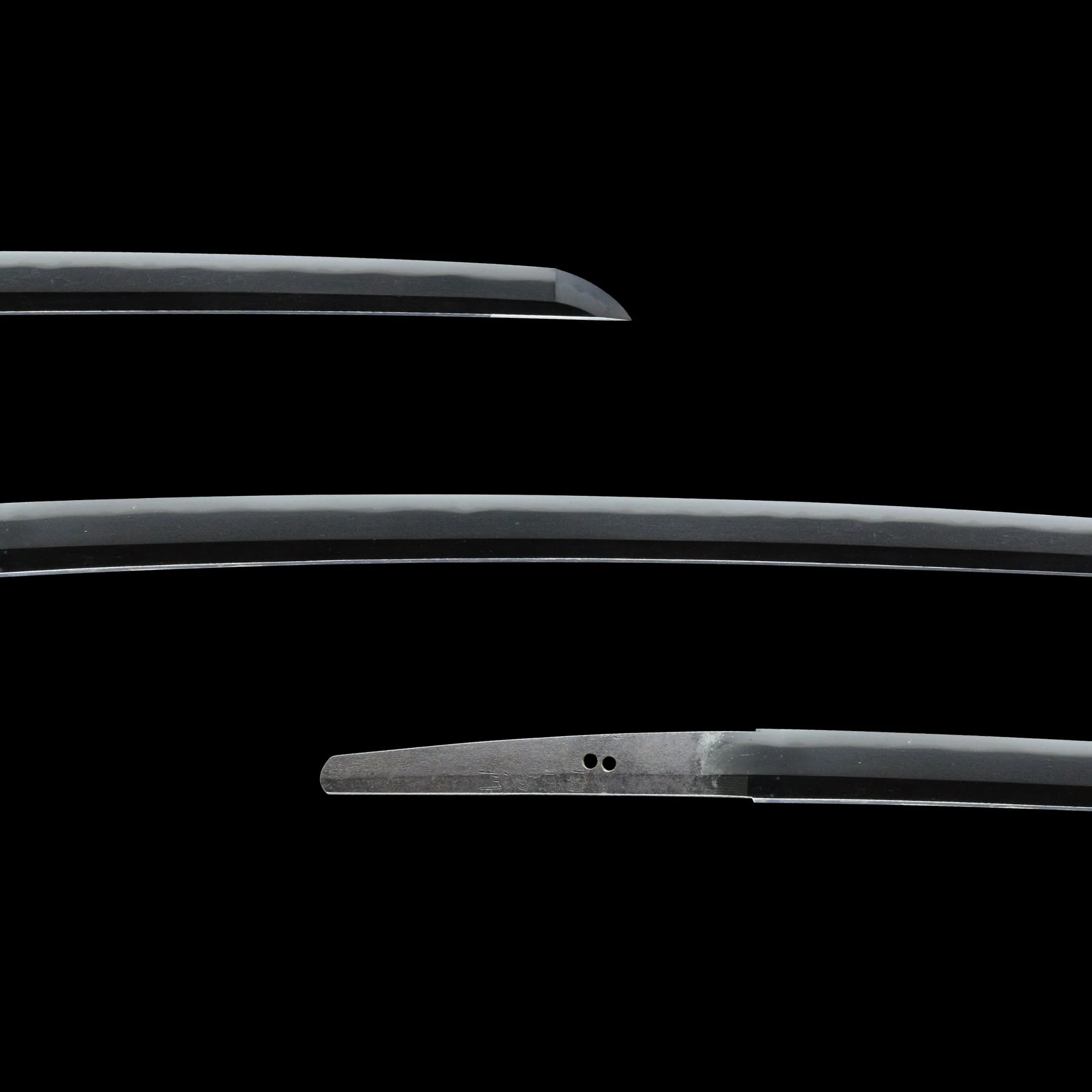
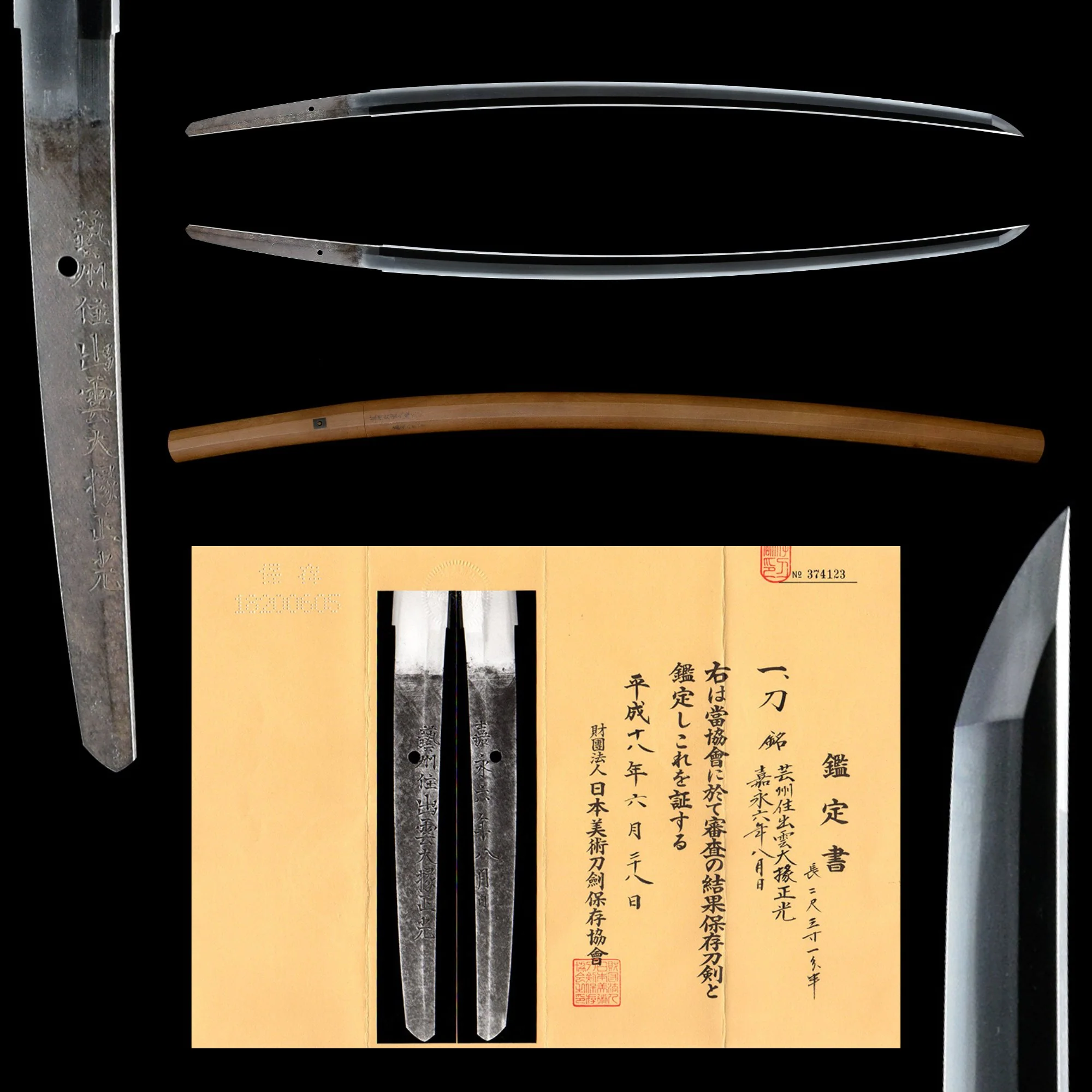
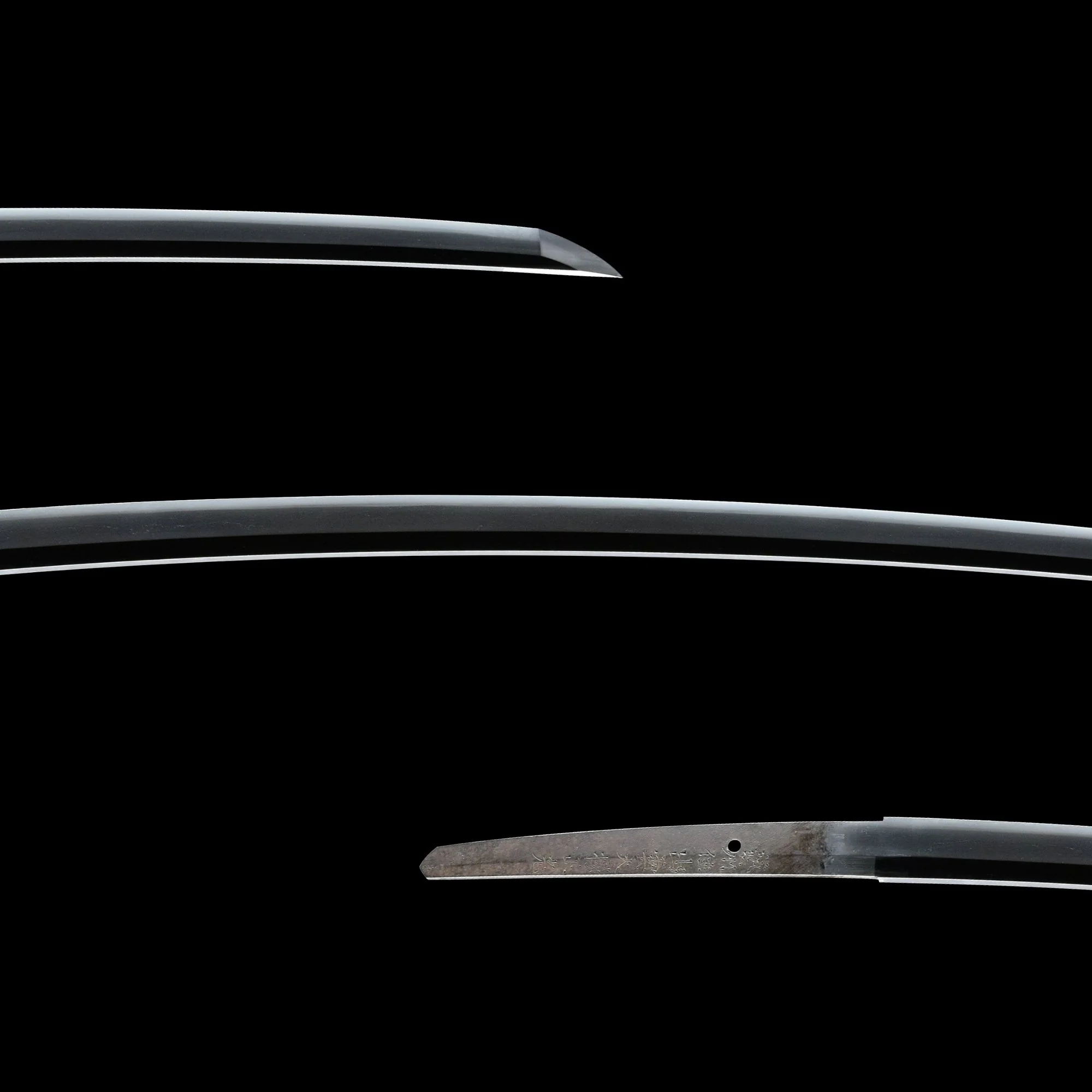
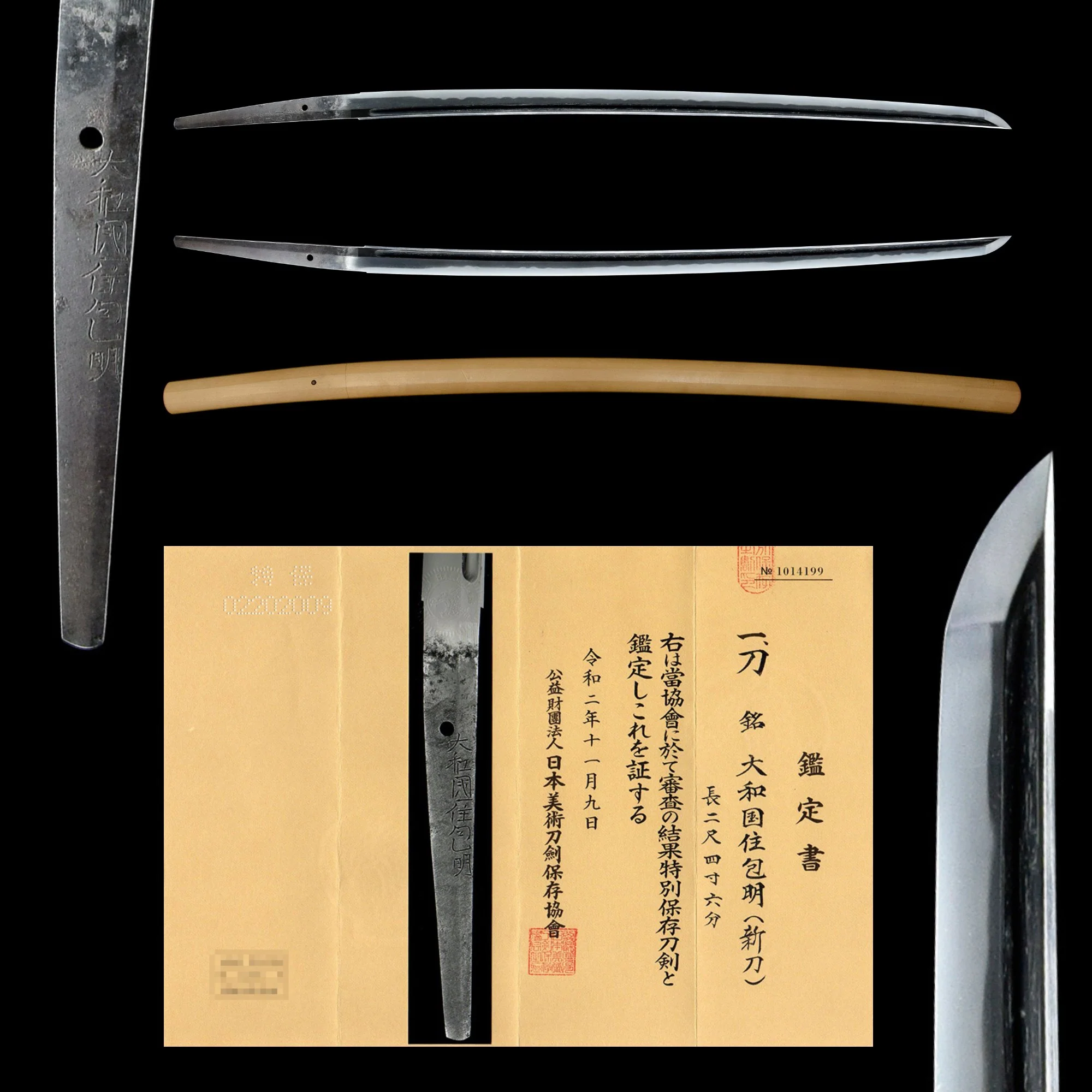
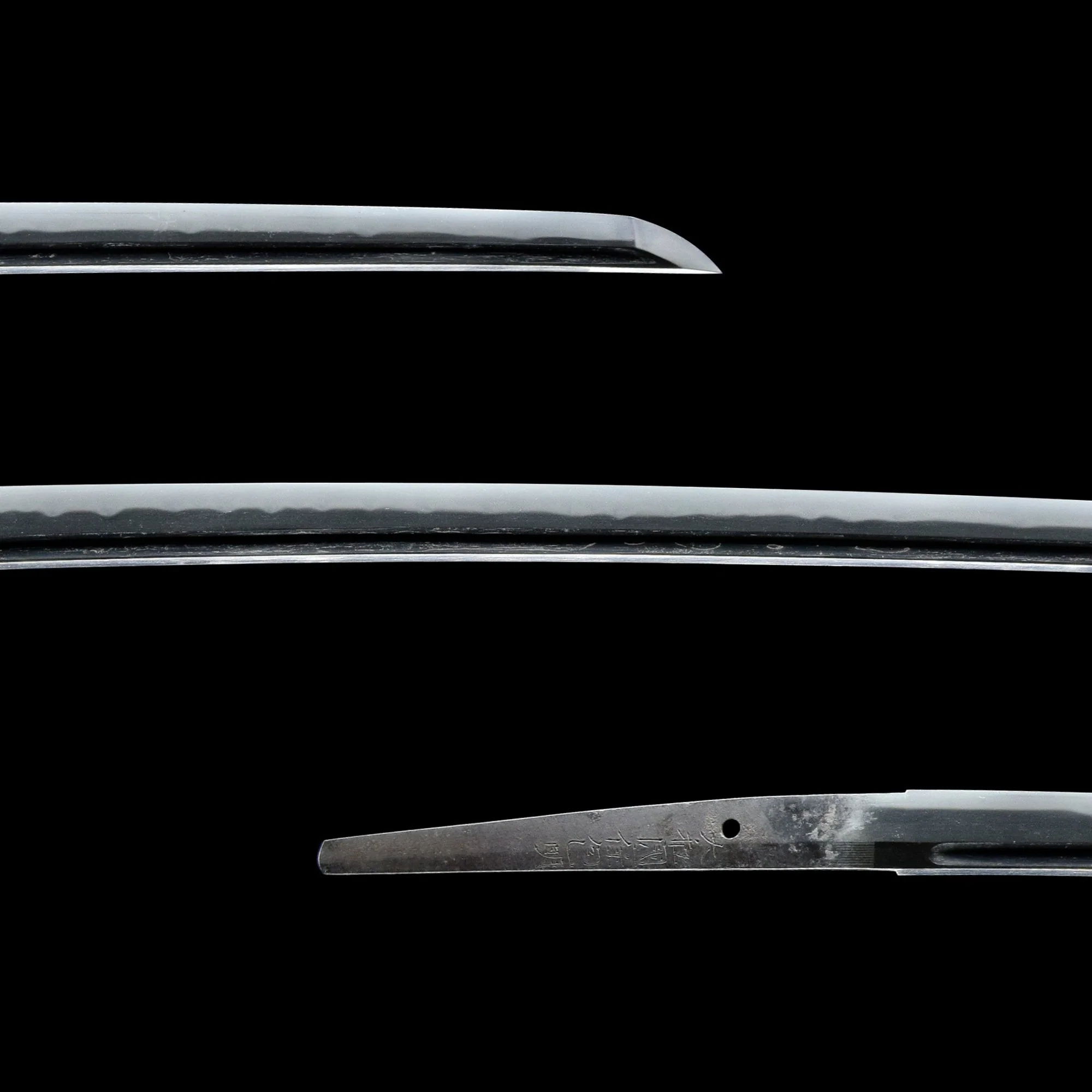
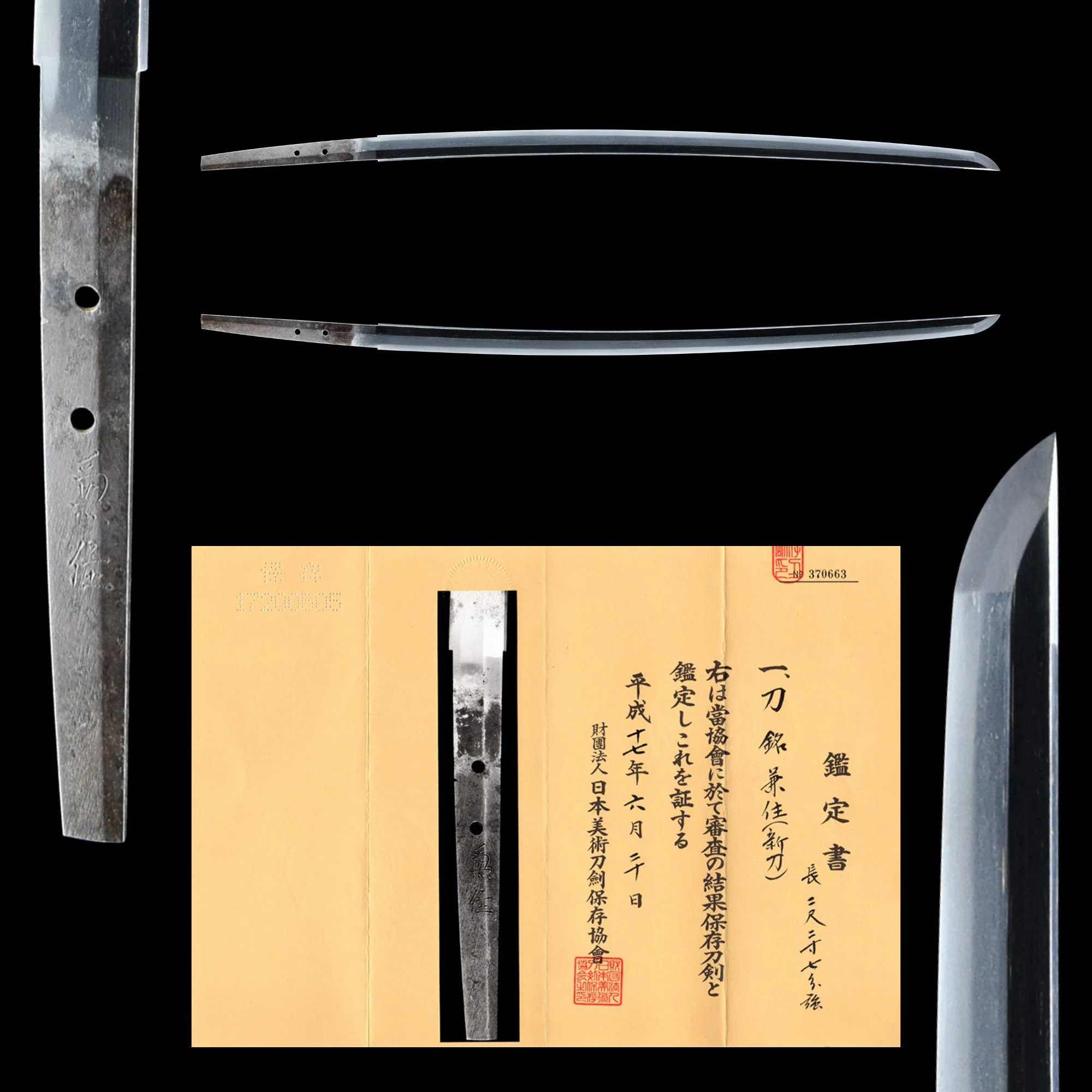
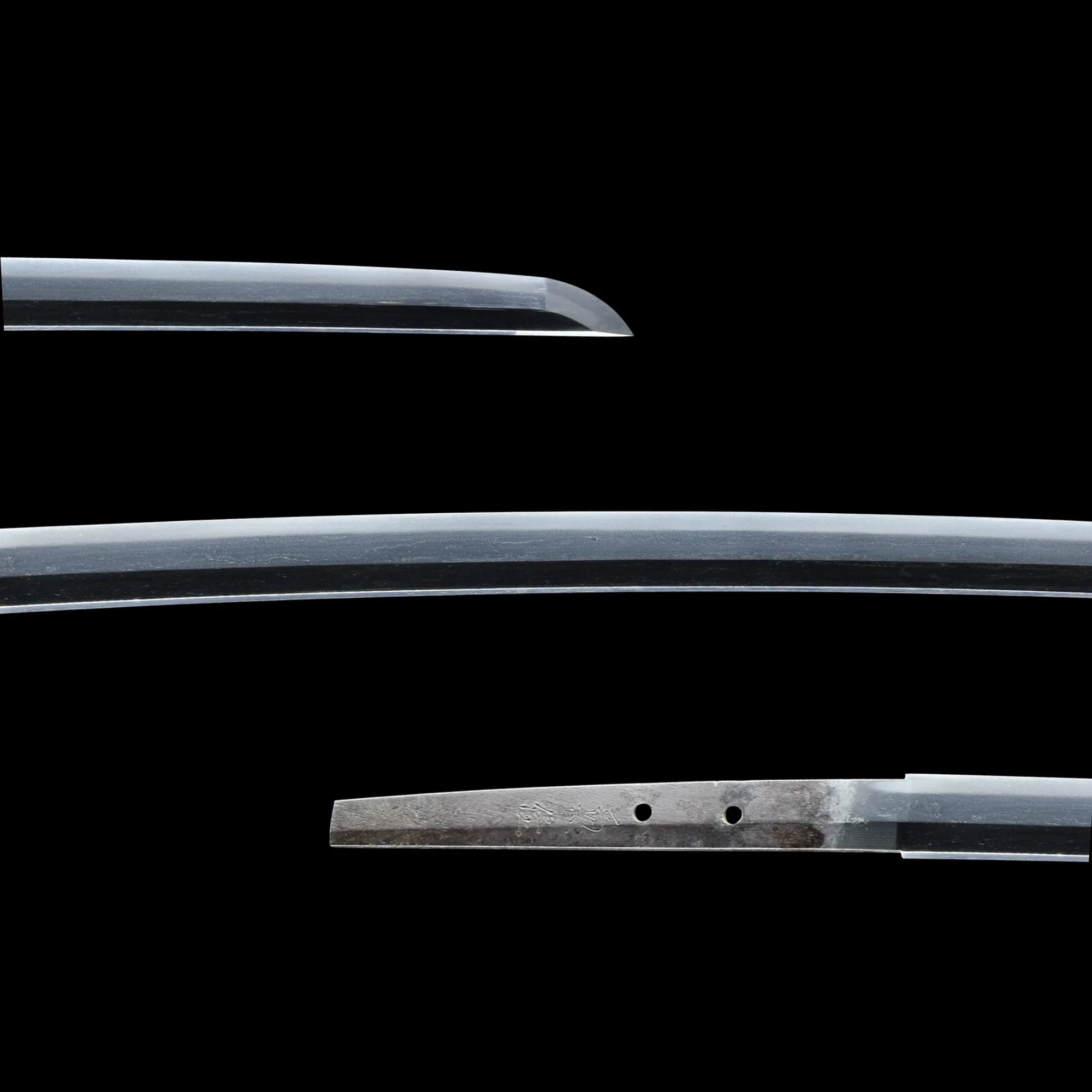
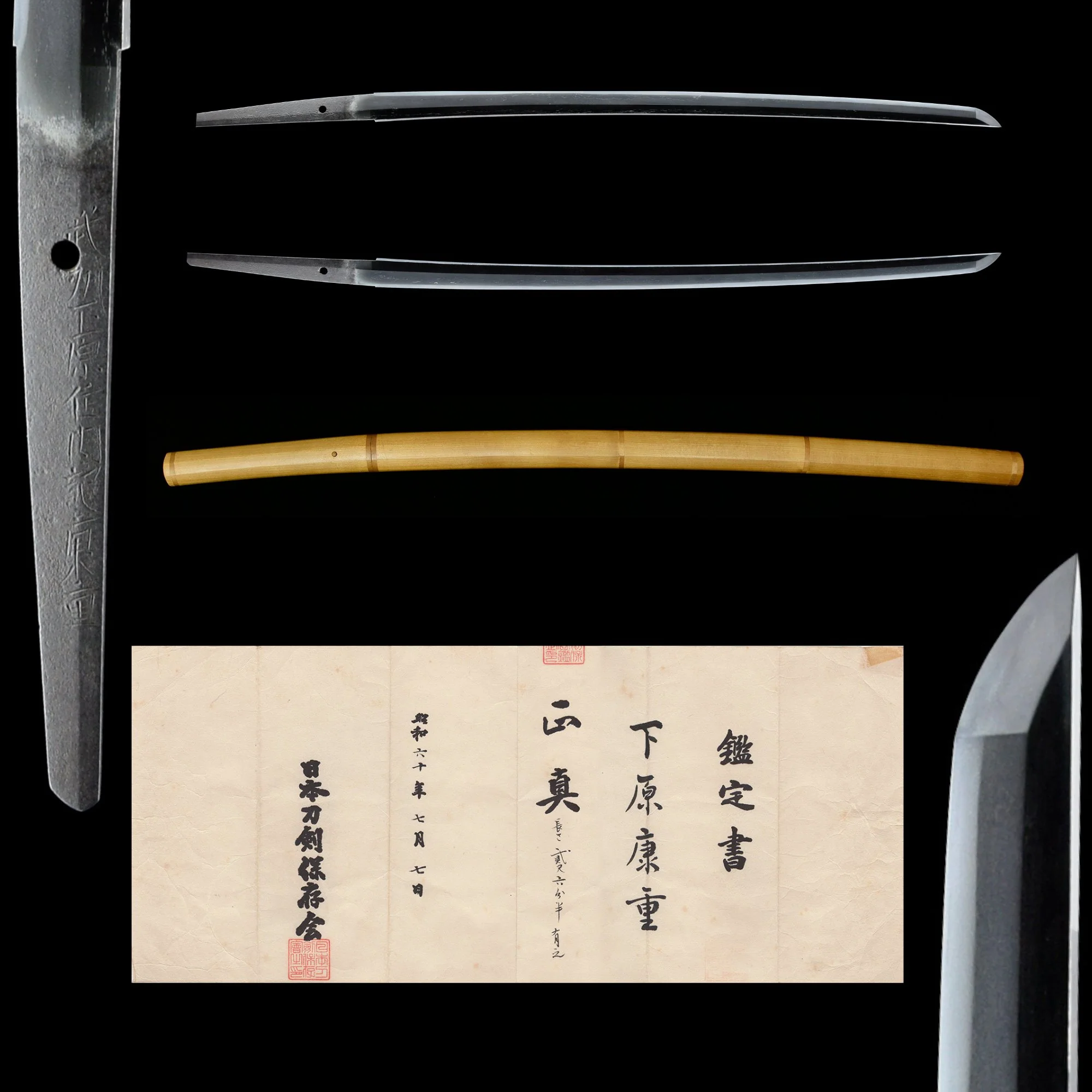
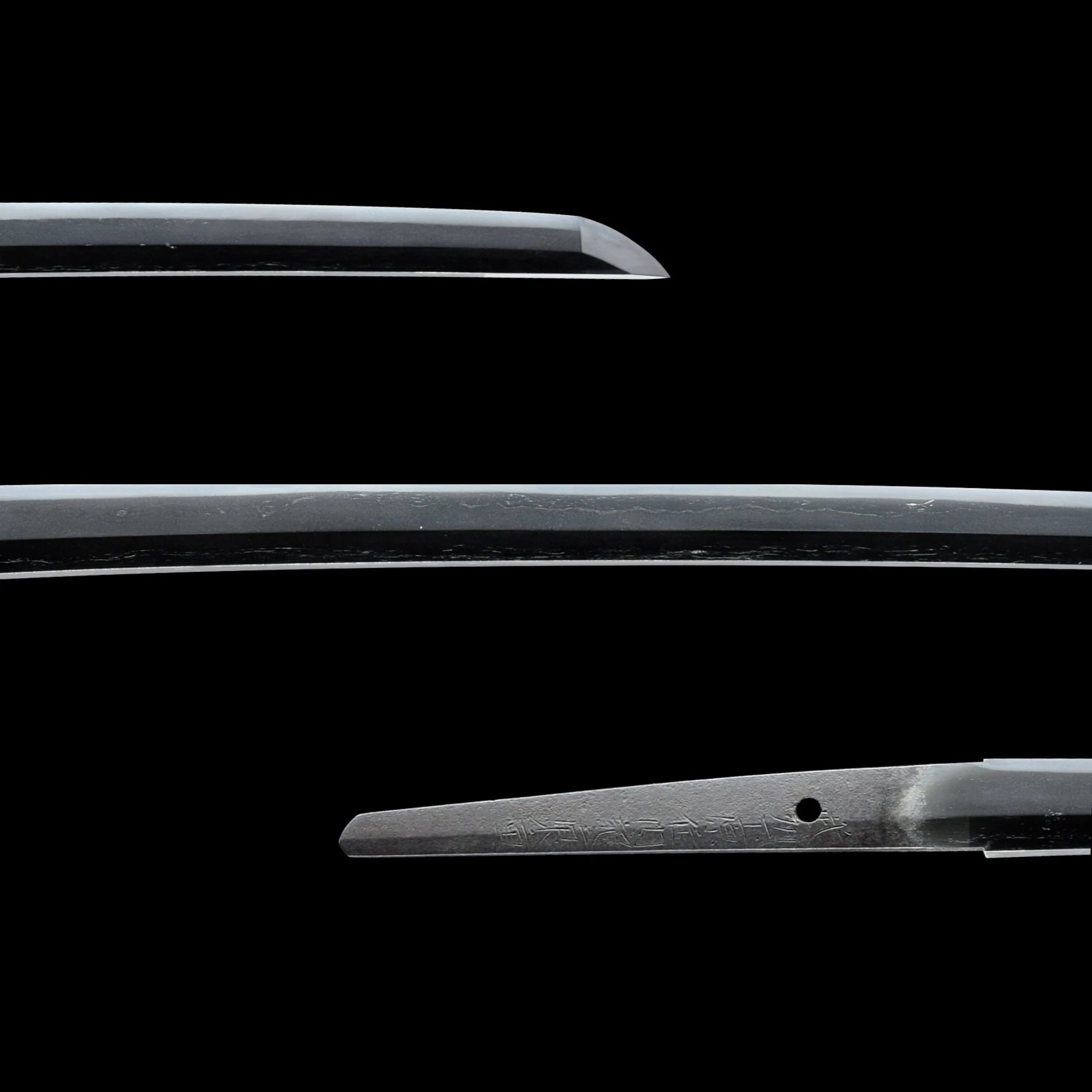
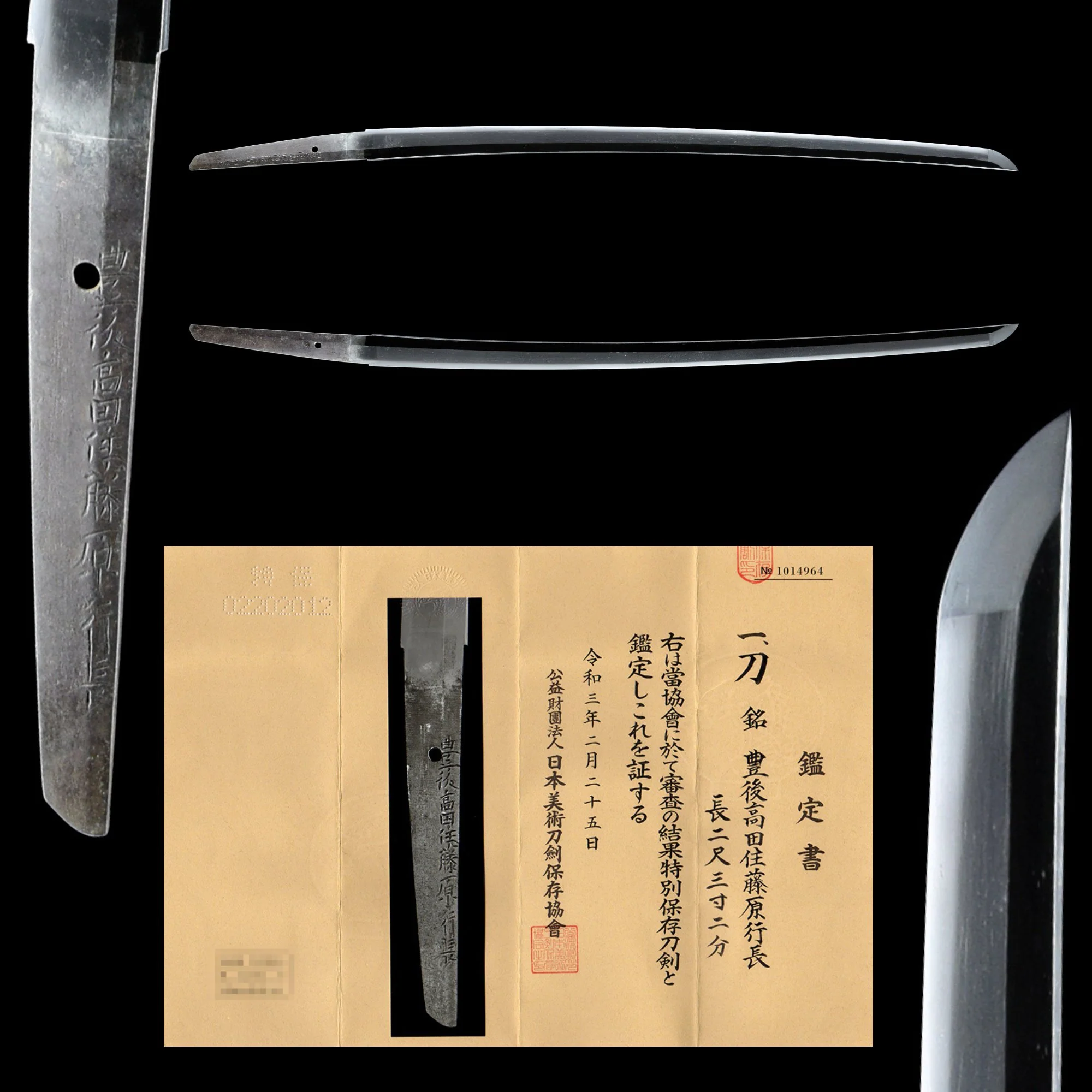
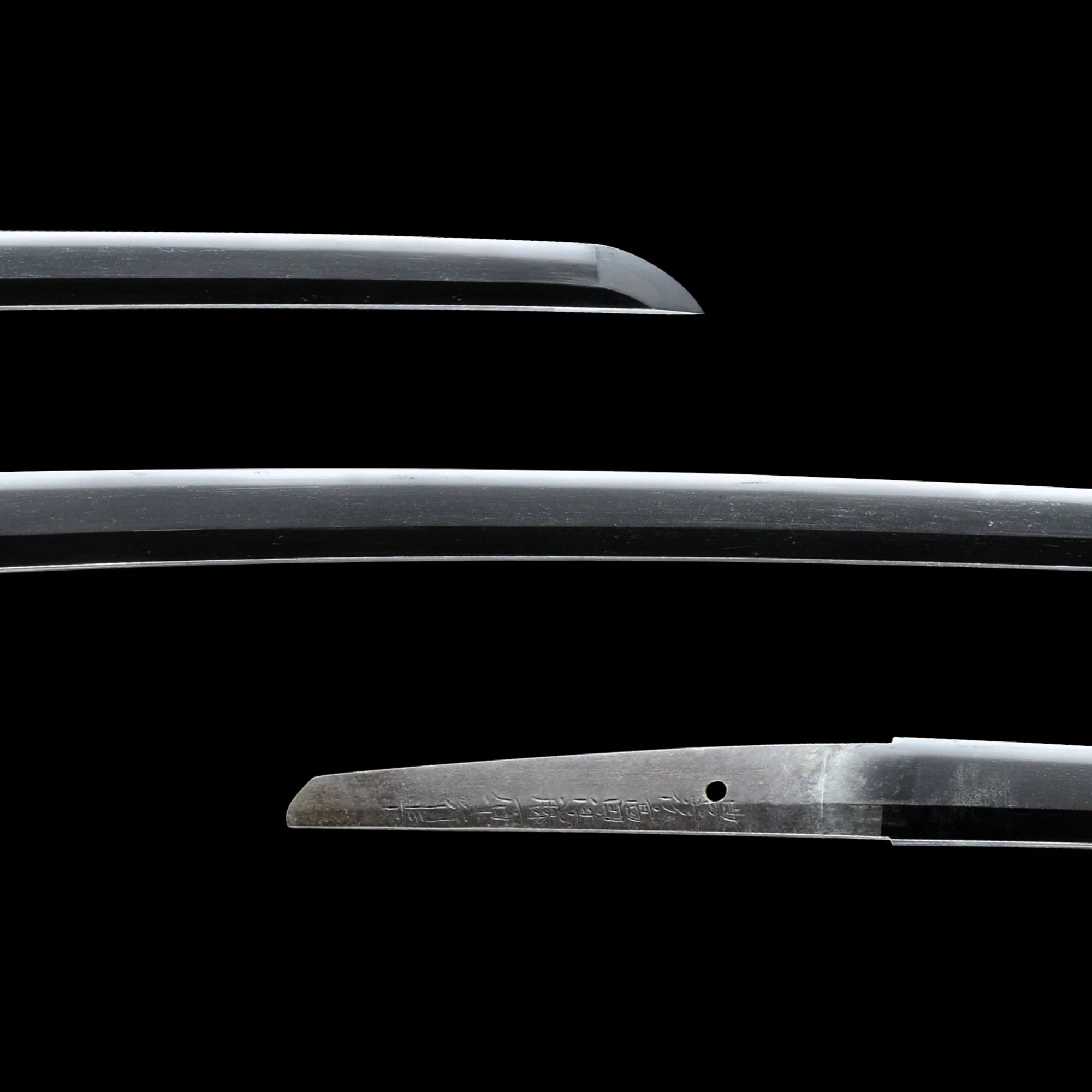
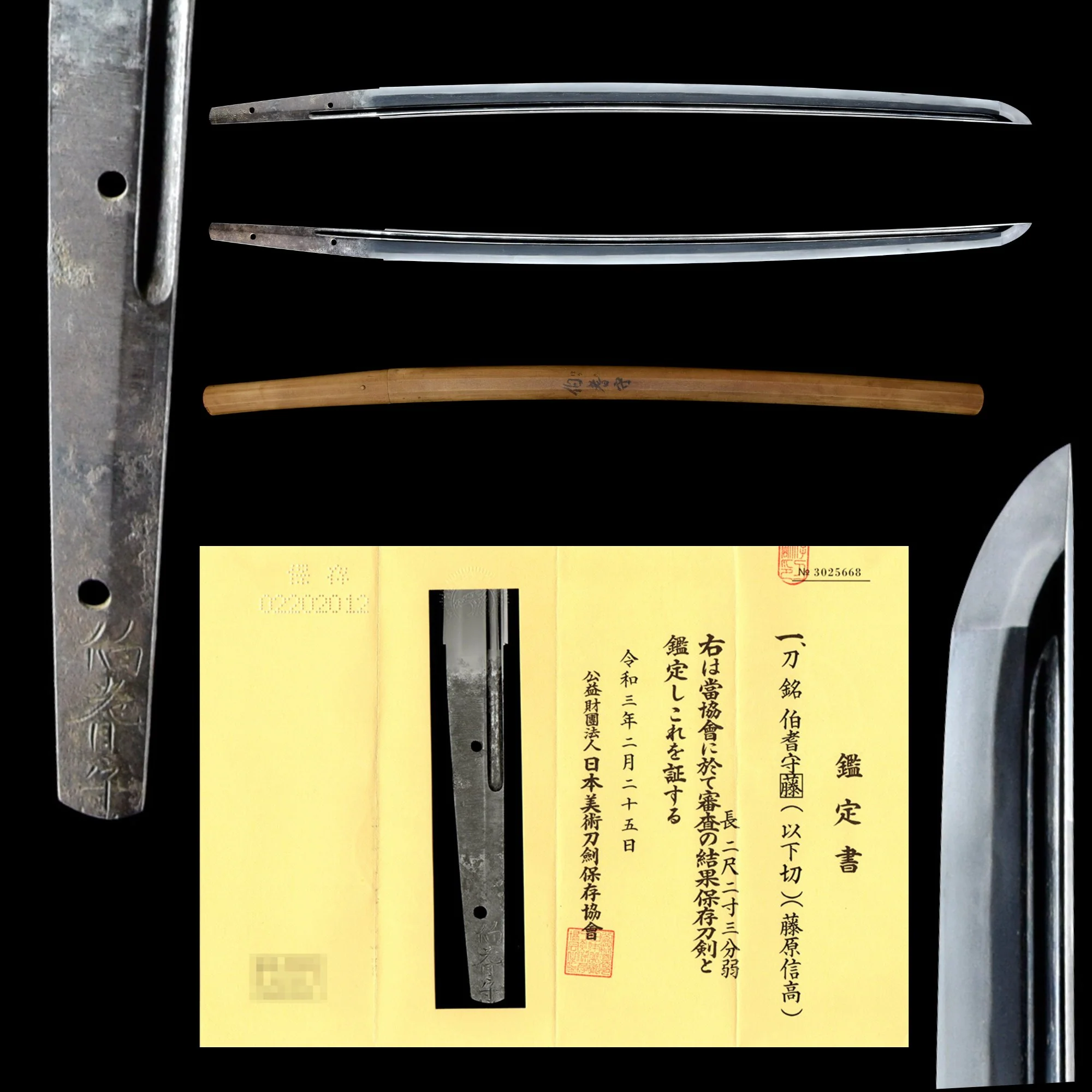
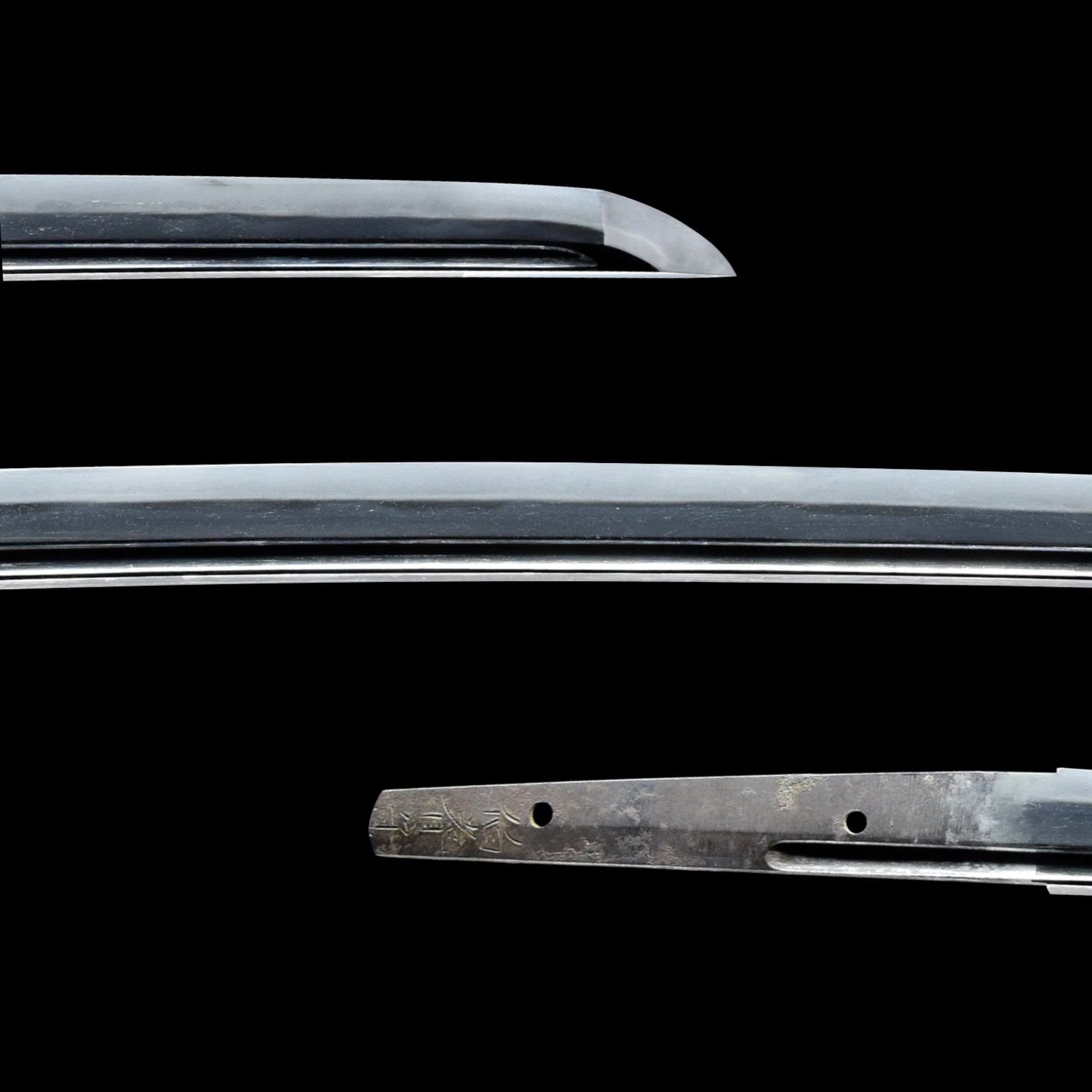
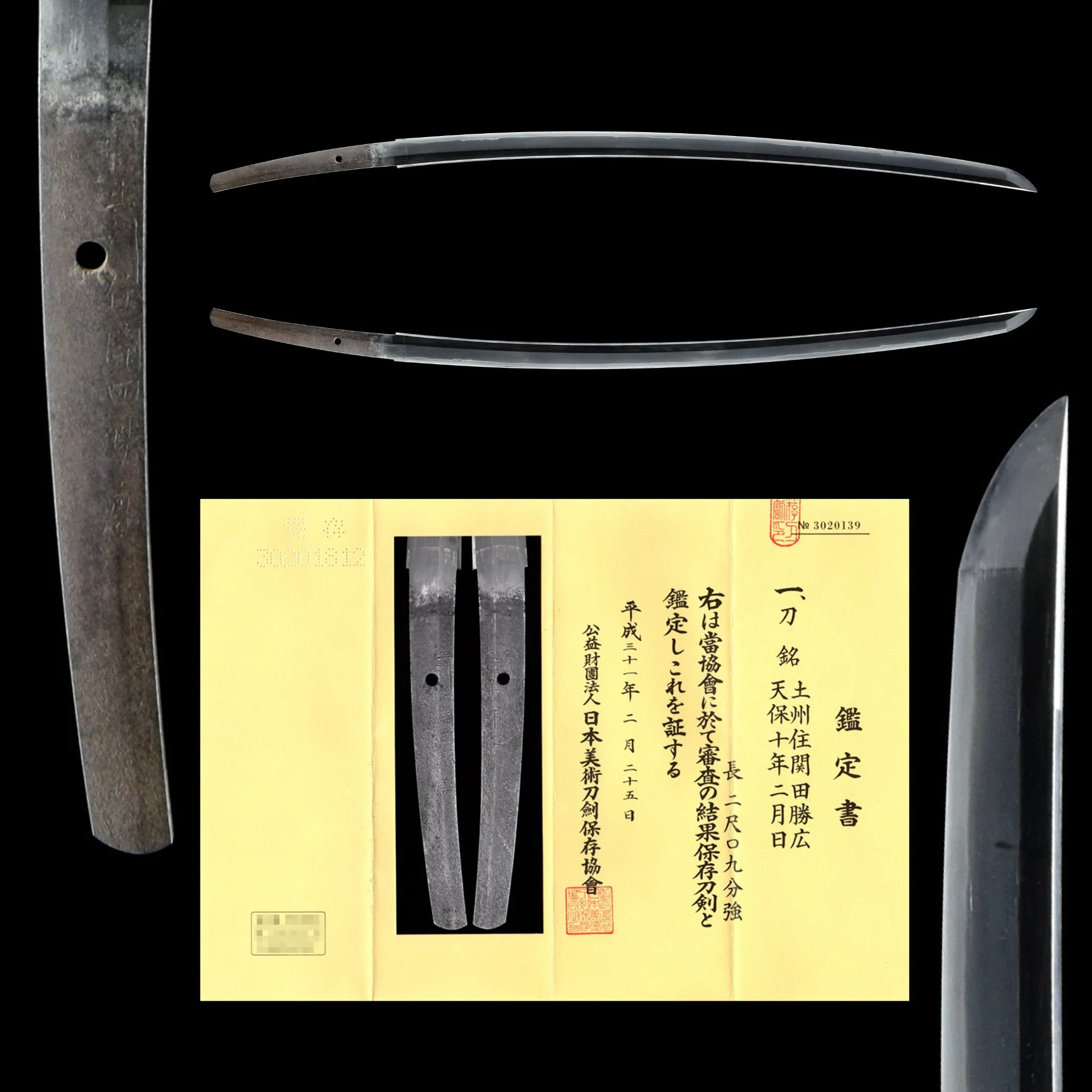
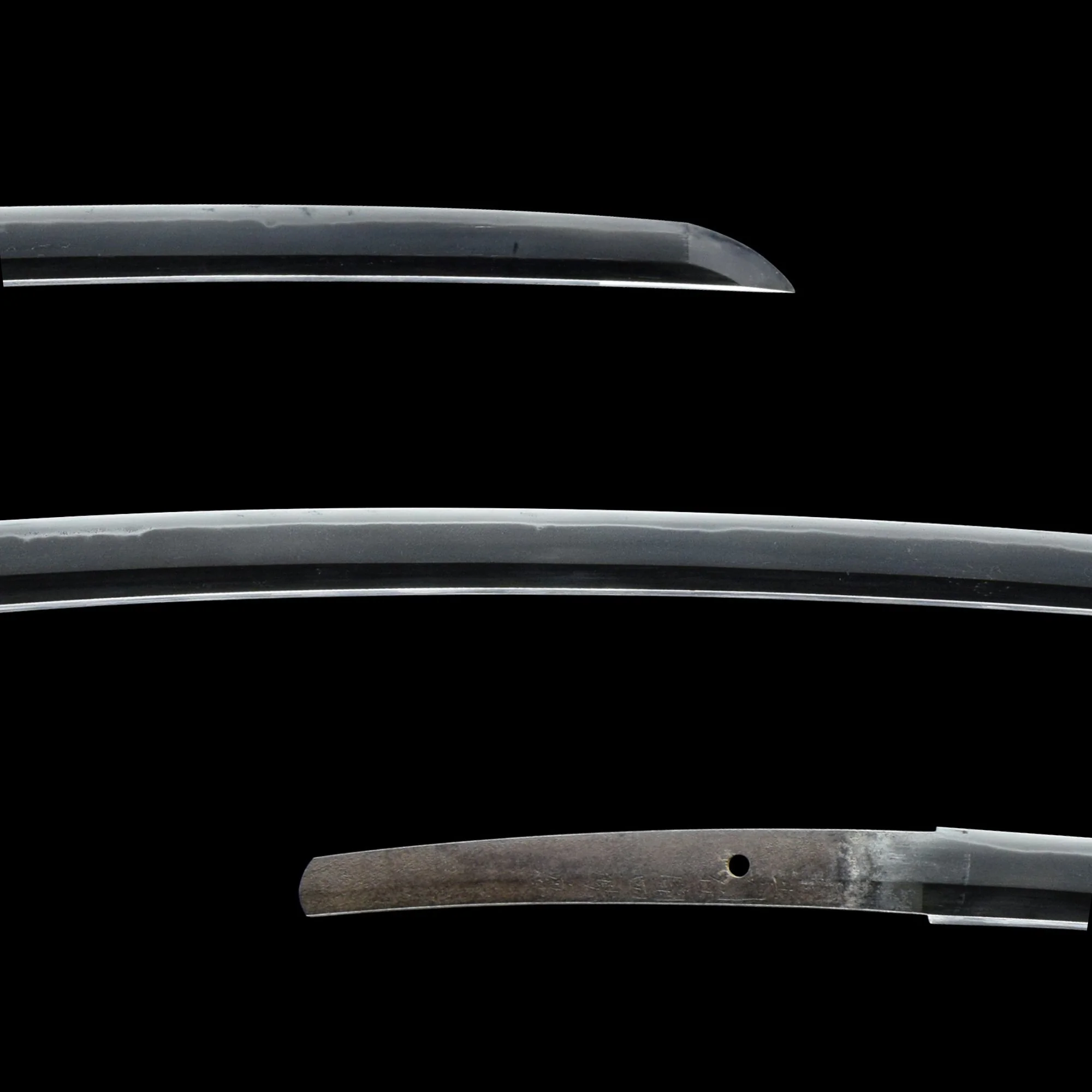
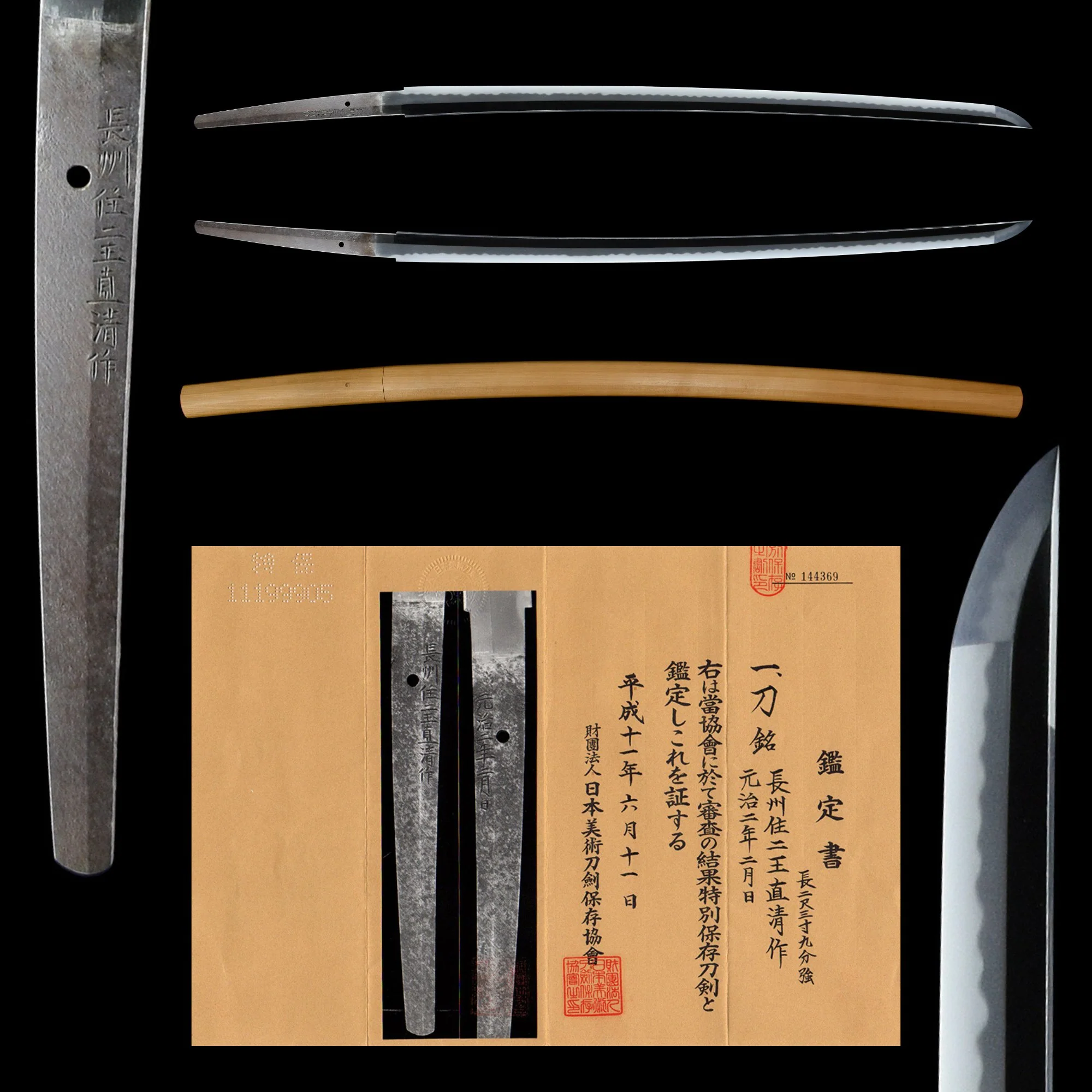
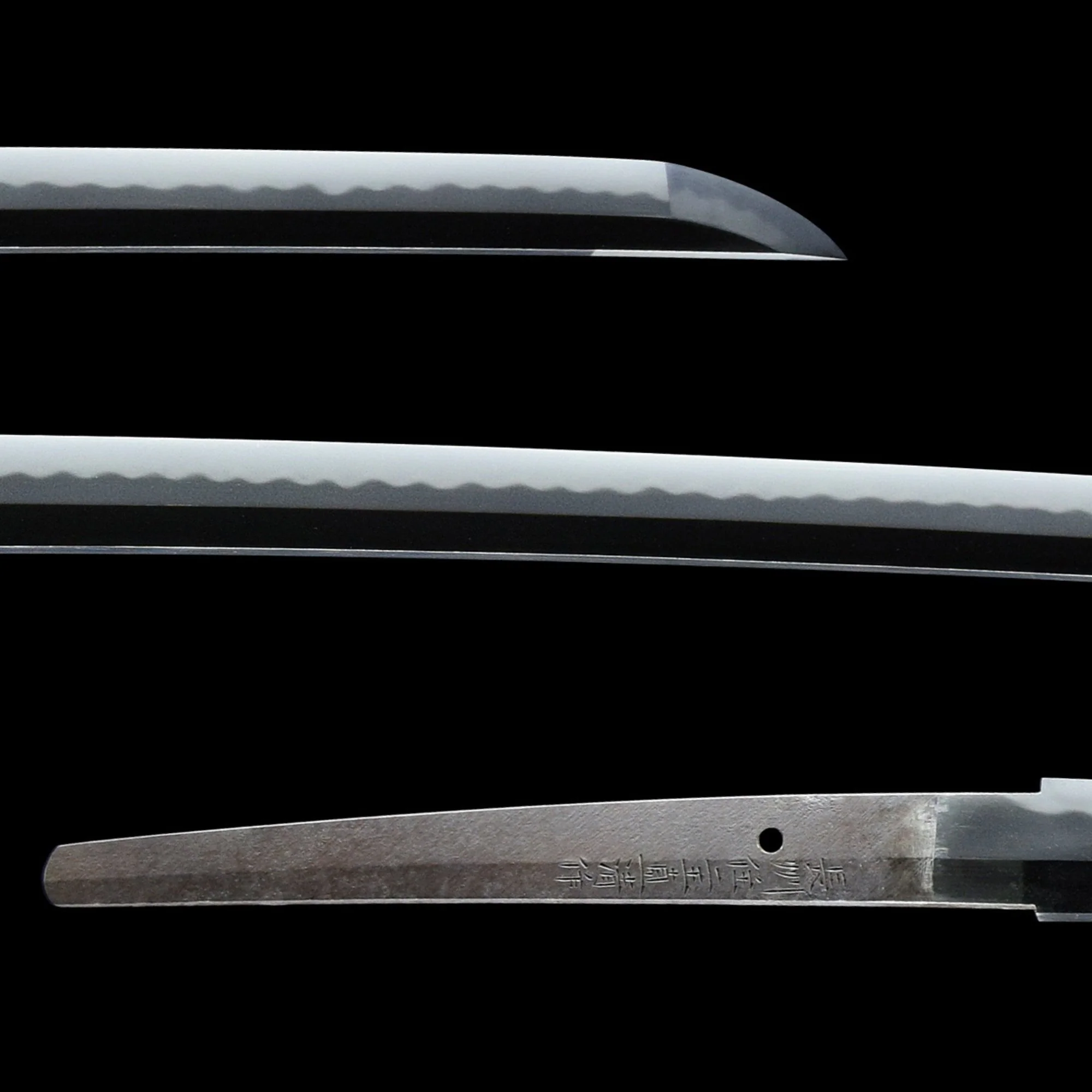
Antique Nihonto Katana Attributed to Tegai NBTHK TOKUBETSU HOZON TOKEN Certificate
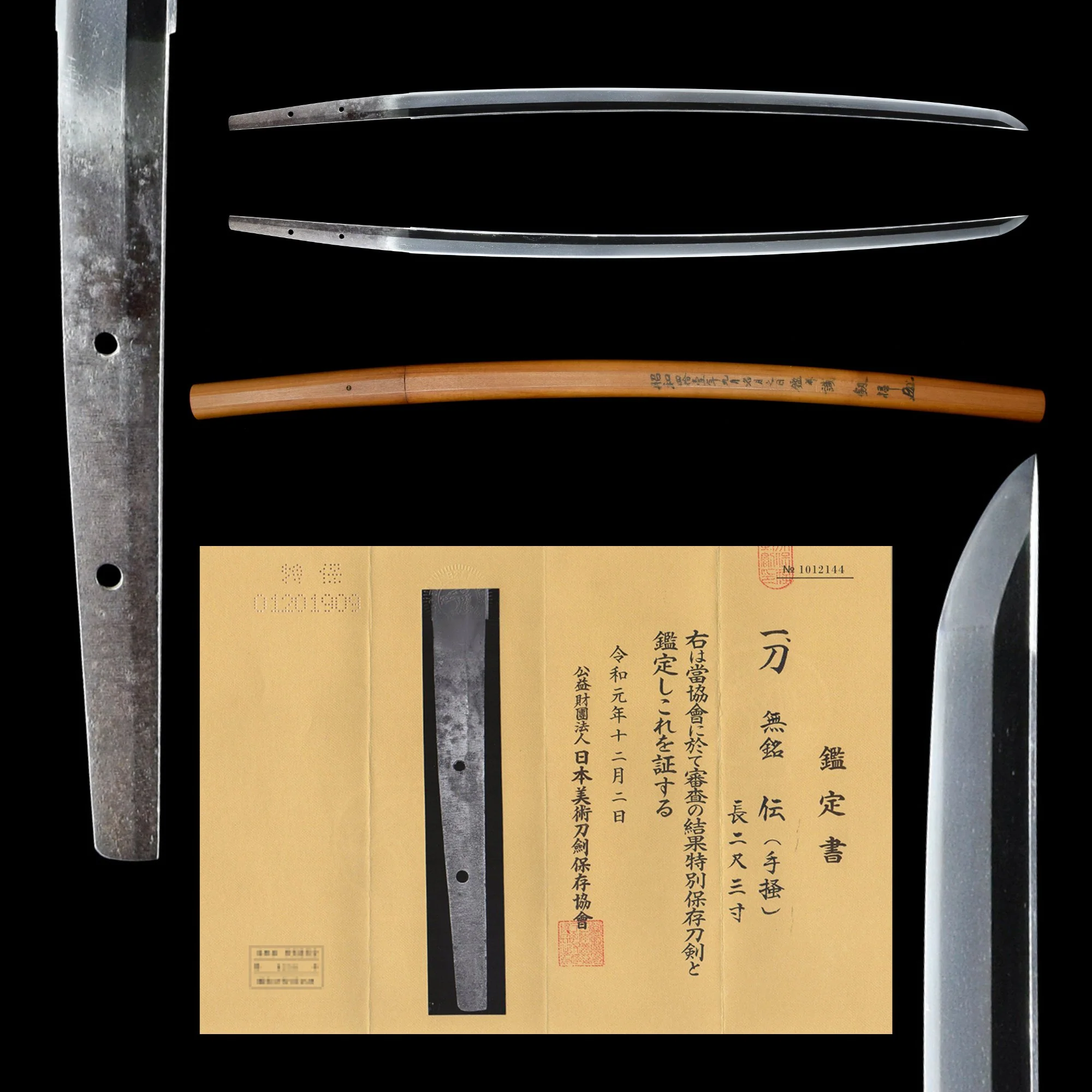
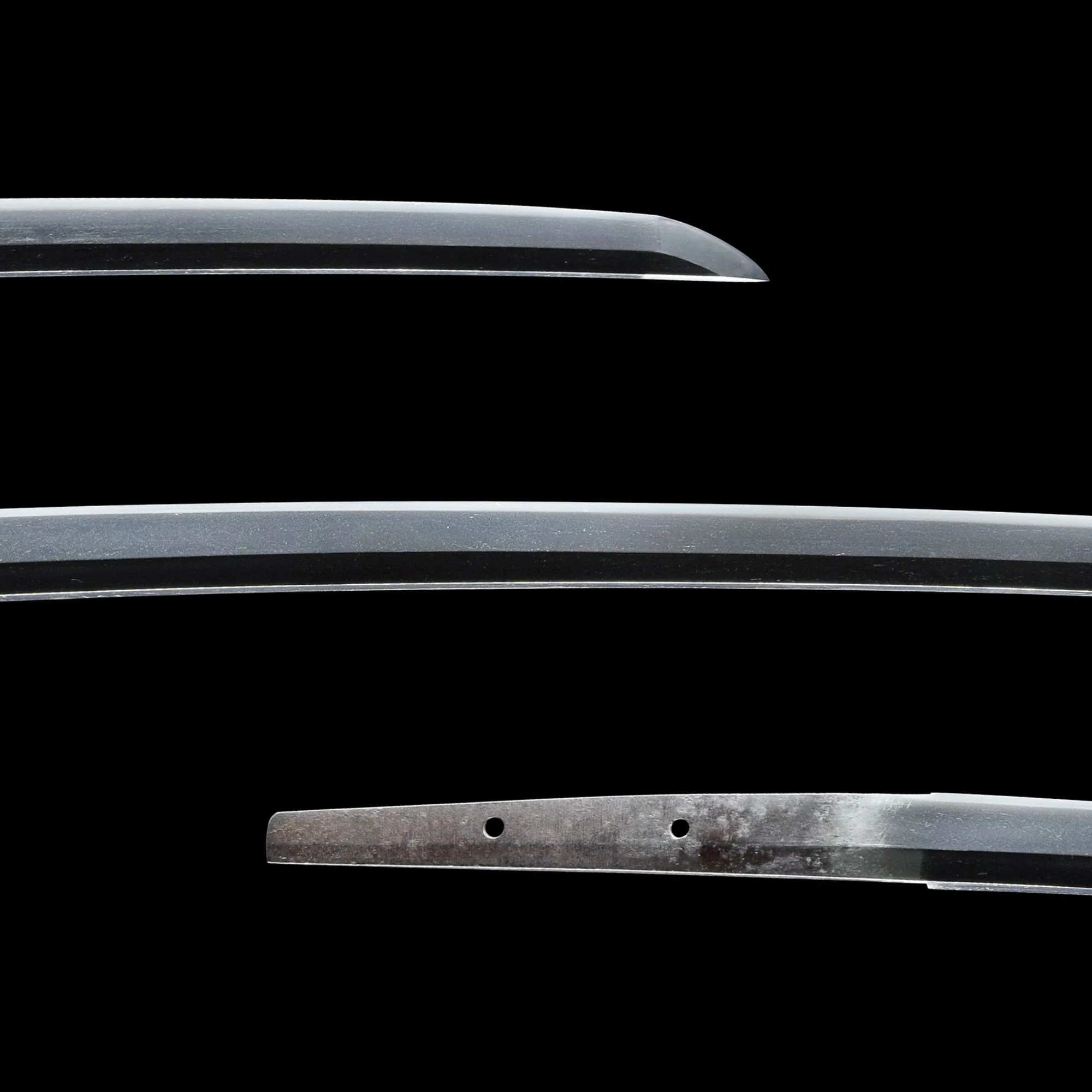
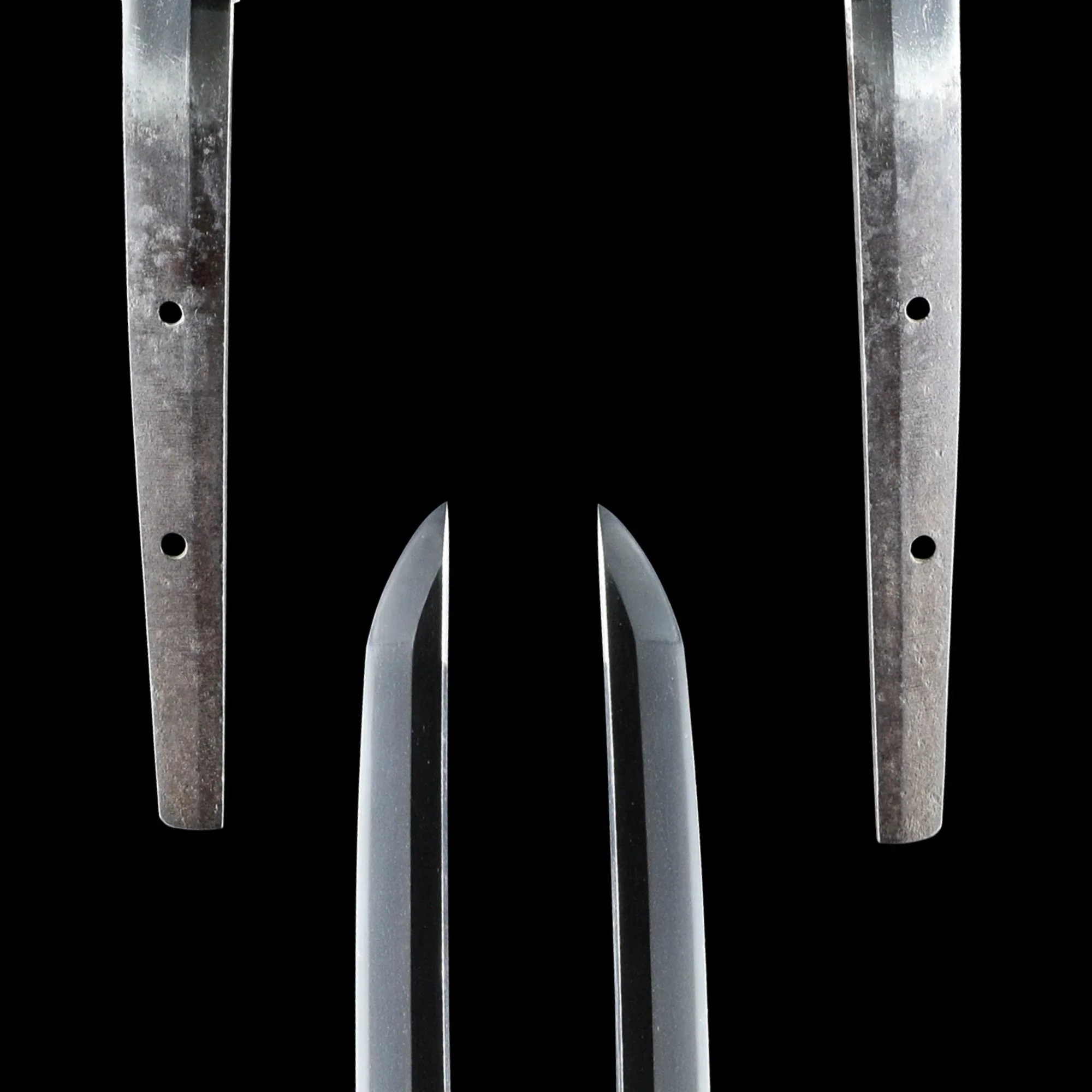
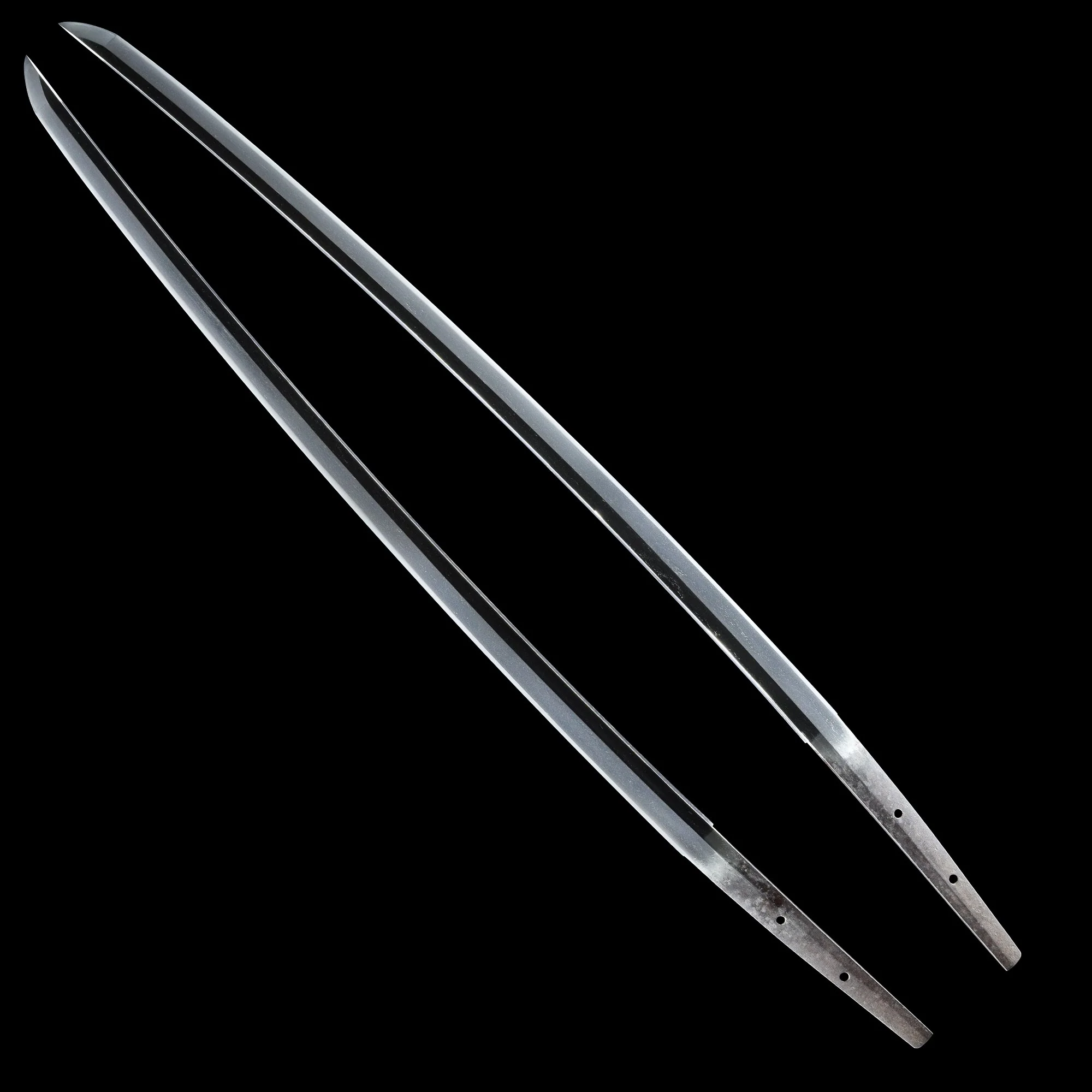
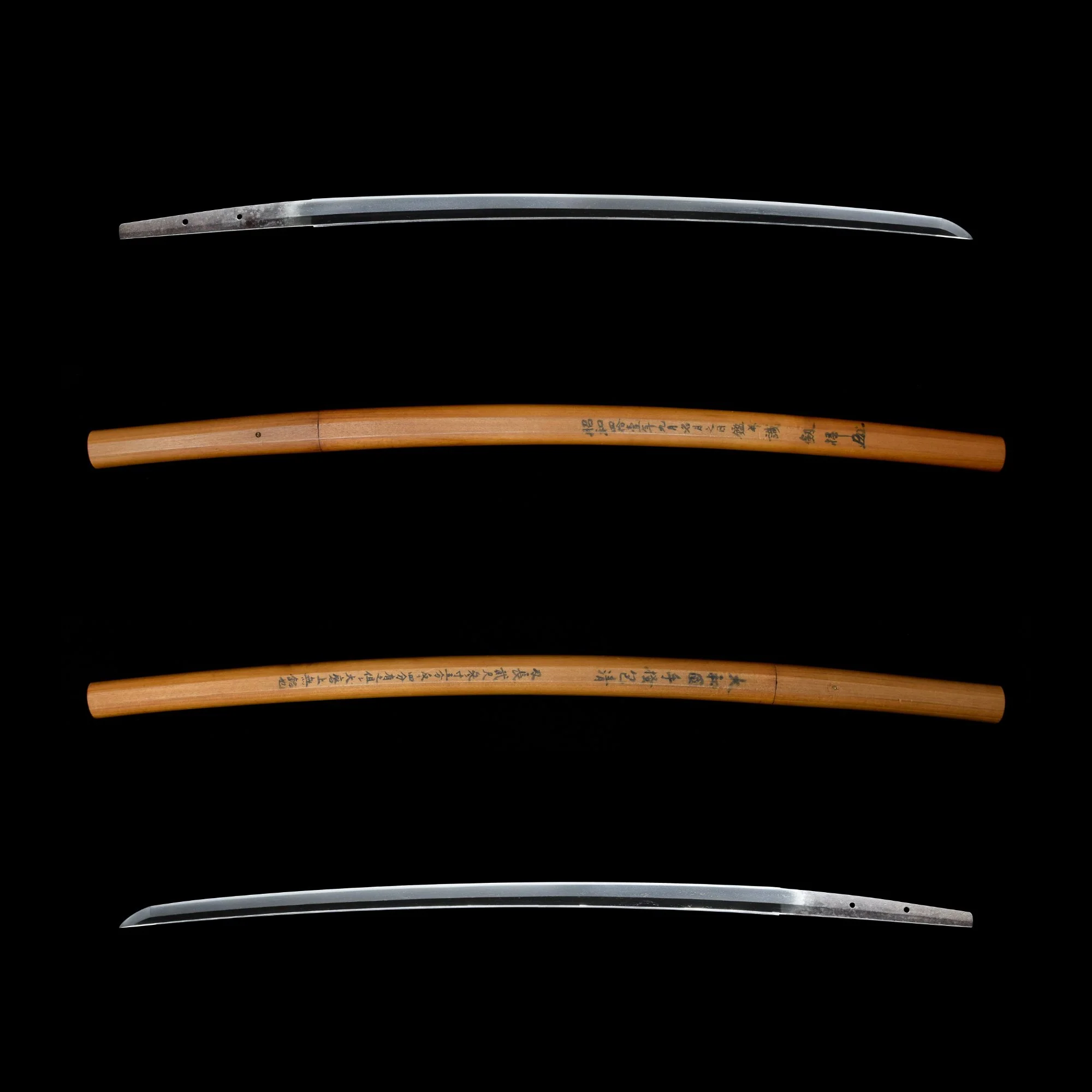
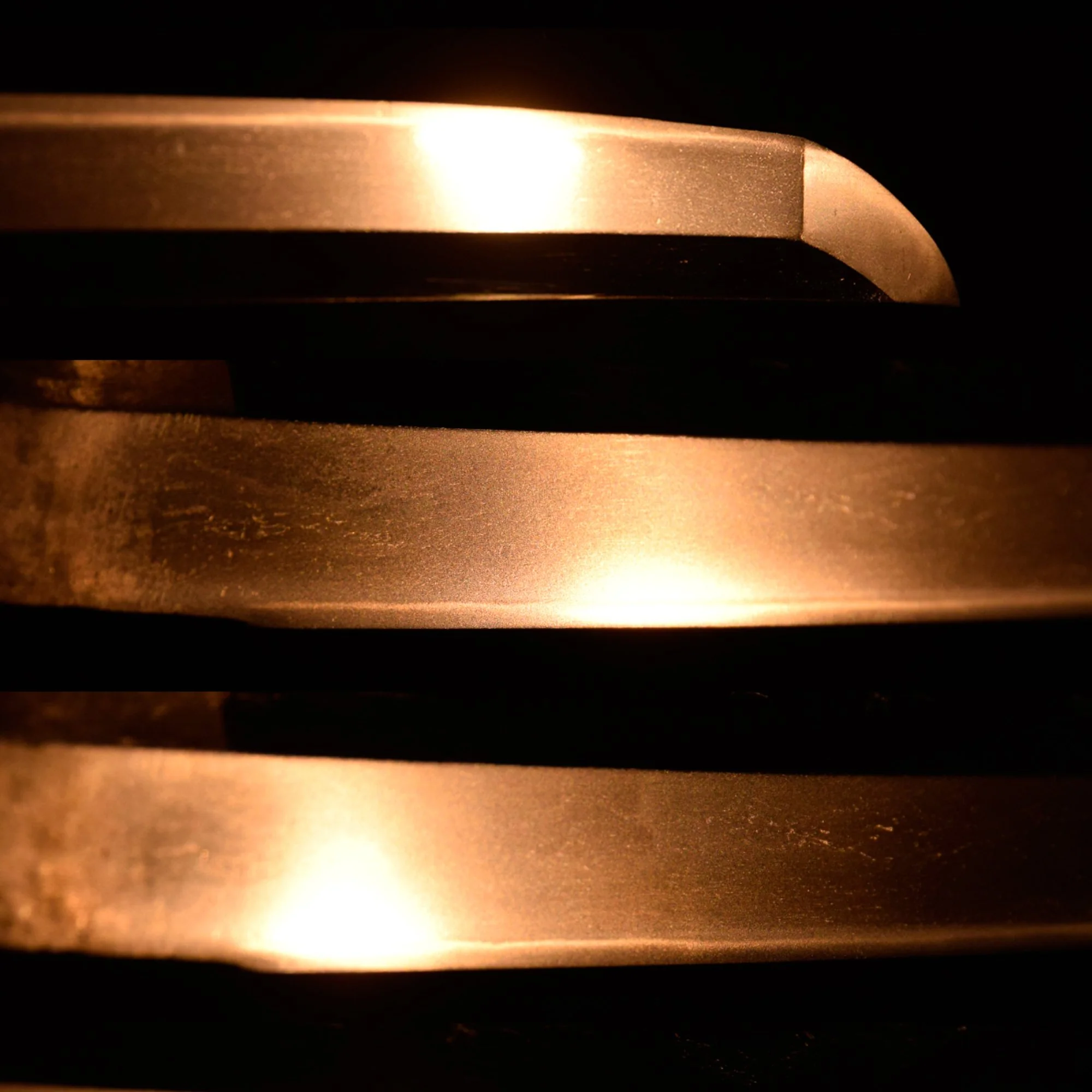
Authentic Nihontō Japanese Sword Katana Attributed to Den Tegai 伝 手掻 NBTHK TOKUBETSU HOZON TOKEN Certificate
Nihontō Information
| Name 名称 | 無銘(伝 手掻) - Mumei (Den Tegai) |
| Blade Length 刀長 | 二尺三寸三厘弱 / 69.8 cm |
| Sori 反り | 四分七厘弱 / 1.43 cm |
| Blade Width 元幅 | 30.1 mm |
| Blade Thickness 元重 | 6.8 mm |
| Tip Width 先幅 | 物打24.0 mm 横手位置20.4 mm |
| Tip Thickness 先重 | 物打5.1 mm 松葉先3.8 mm |
| Mekugi-ana 目釘穴 | 2個 |
| Age 時代 | 鎌倉後期 The latter period of Kamakura era (13th - 14th century) |
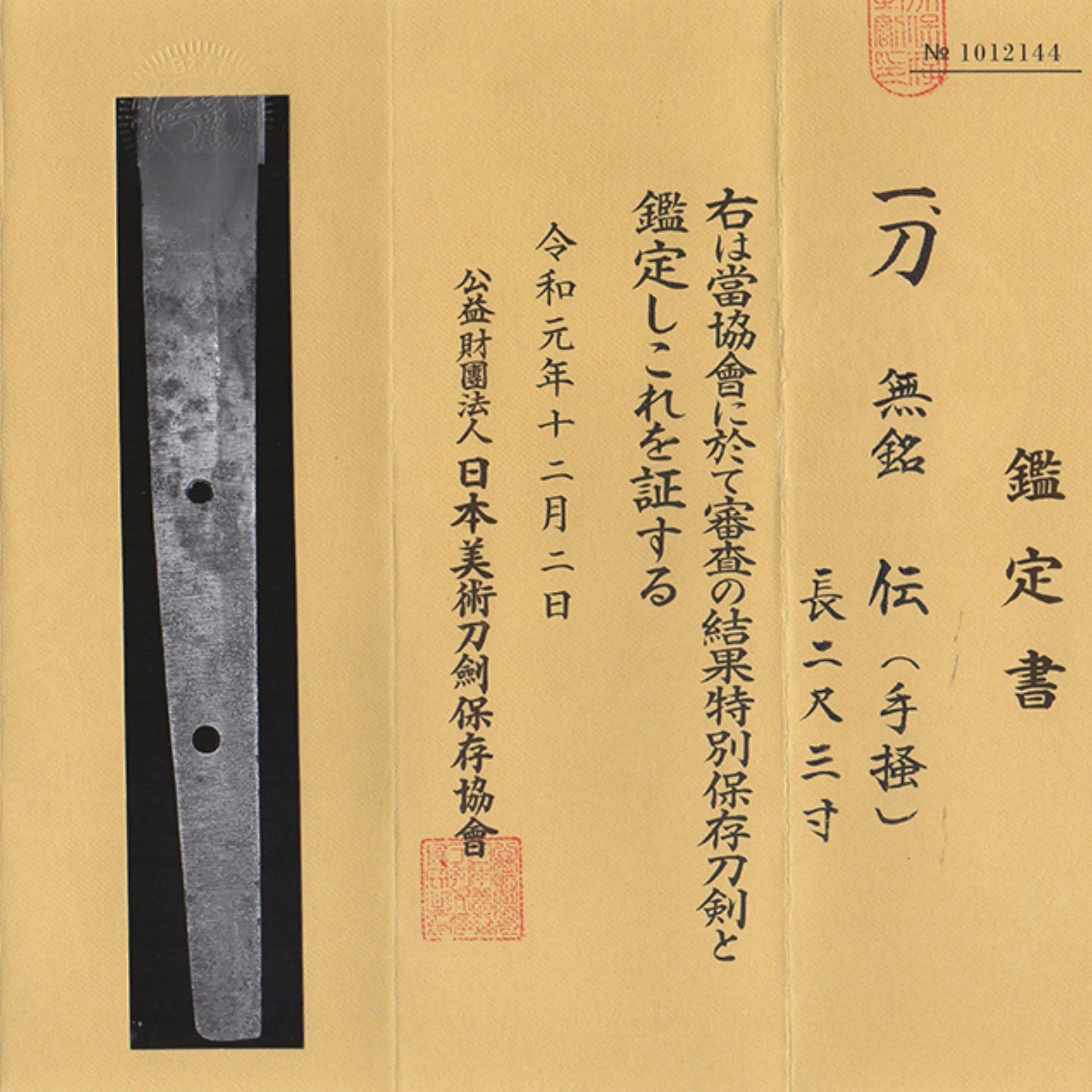
| Certificate 鑑定書 | 特別保存刀剣鑑定書(NBTHK TOKUBETSU HOZON TOKEN Certificate) |
| Registration 登録 | 昭和37年9月25日 鳥取県登録 Registered on September 25, 1962, in Tottori Prefecture |
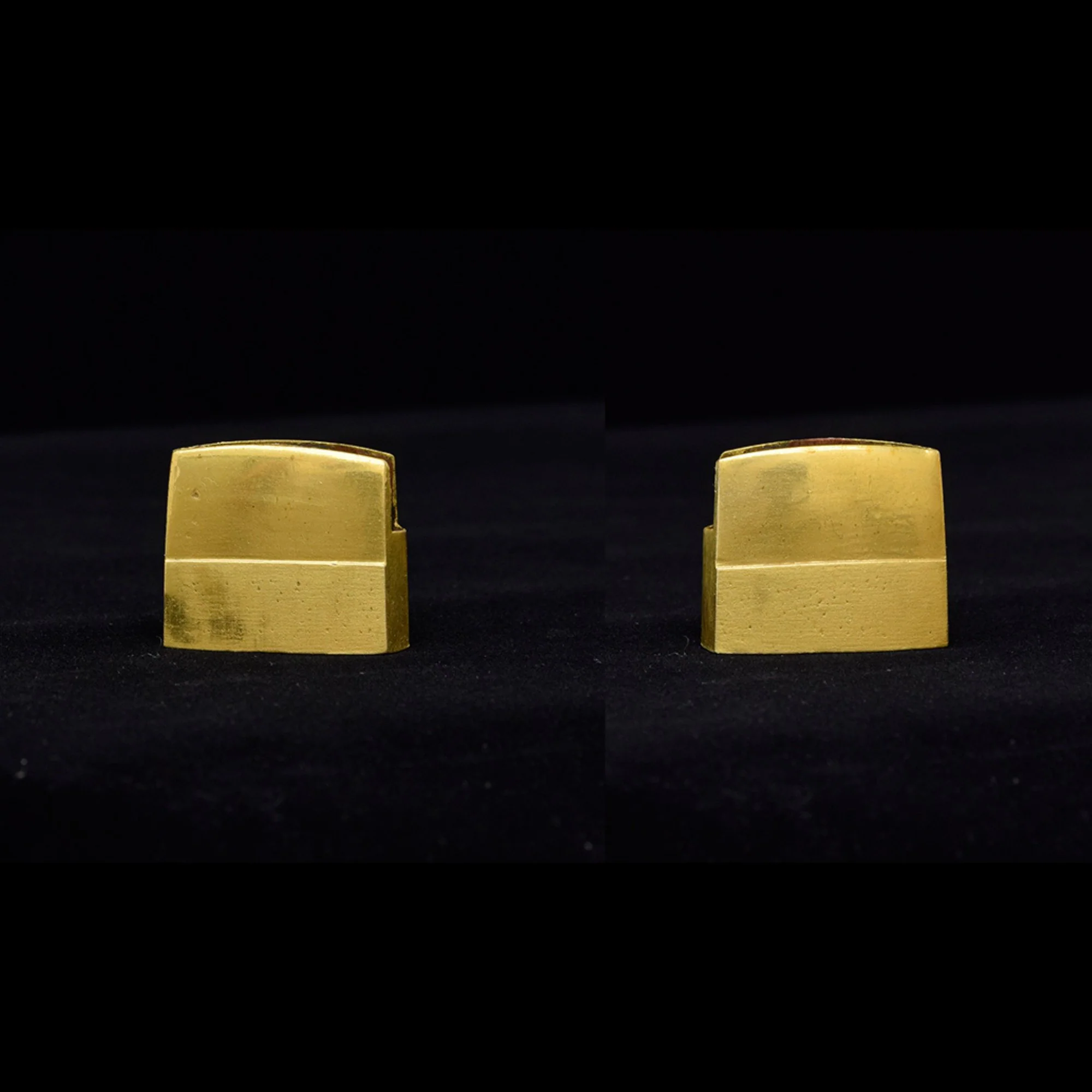
| Included 附属 | ・素銅地金鍍金はばき (Plain Copper with Gold-plated Habaki) |
| ・白鞘 (Shirasaya Case) | |


$10,909.71
Antique Nihonto Katana Attributed to Tegai NBTHK TOKUBETSU HOZON TOKEN Certificate—
$10,909.71
Description
Authentic Nihontō Japanese Sword Katana Attributed to Den Tegai 伝 手掻 NBTHK TOKUBETSU HOZON TOKEN Certificate
Nihontō Information
| Name 名称 | 無銘(伝 手掻) - Mumei (Den Tegai) |
| Blade Length 刀長 | 二尺三寸三厘弱 / 69.8 cm |
| Sori 反り | 四分七厘弱 / 1.43 cm |
| Blade Width 元幅 | 30.1 mm |
| Blade Thickness 元重 | 6.8 mm |
| Tip Width 先幅 | 物打24.0 mm 横手位置20.4 mm |
| Tip Thickness 先重 | 物打5.1 mm 松葉先3.8 mm |
| Mekugi-ana 目釘穴 | 2個 |
| Age 時代 | 鎌倉後期 The latter period of Kamakura era (13th - 14th century) |
| Certificate 鑑定書 | 特別保存刀剣鑑定書(NBTHK TOKUBETSU HOZON TOKEN Certificate) |
| Registration 登録 | 昭和37年9月25日 鳥取県登録 Registered on September 25, 1962, in Tottori Prefecture |
| Included 附属 | ・素銅地金鍍金はばき (Plain Copper with Gold-plated Habaki) |
| ・白鞘 (Shirasaya Case) | |